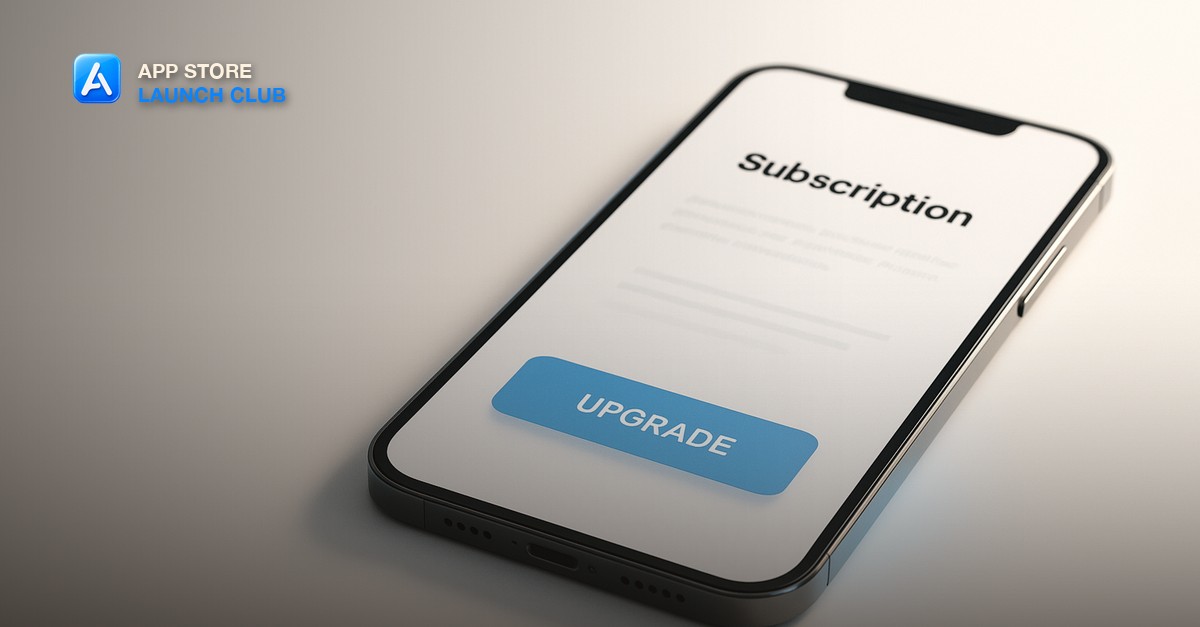
Subscriptions: The Strongest Model for Most Apps
Monthly or annual subscriptions are the dominant monetization model for successful independent apps. They work when your app provides value users return to regularly - a habit tracker, a productivity tool, a learning app. RevenueCat is the standard library for implementing subscriptions in Expo apps and handles the complexity of Apple and Google billing APIs.
Subscription pricing advice: offer a free trial of at least 7 days for anything over $5/month. Users who try before buying convert at significantly higher rates. Annual plans at a discount (e.g. $4.99/month vs $29.99/year) reduce churn and improve LTV.
One-Time Purchases and Unlocks
One-time in-app purchases (consumable or non-consumable) work well when there is a clear discrete thing to unlock: remove ads, unlock a premium theme pack, access an advanced feature set permanently. The challenge is that one-time purchase revenue does not compound the way subscriptions do. A user who buys once pays once. Plan for this in your revenue projections.
Ads: Only When Engagement Is High
Mobile ad revenue (typically via AdMob) requires high daily active usage to earn meaningful amounts. A game played for 10 minutes daily can earn a few cents per user per day. A utility app opened for 30 seconds earns almost nothing. If your DAU is under 5,000, ads will not generate significant revenue and will only annoy users. Build your user base first.
Choosing the Right Model
Match your model to your usage pattern. Daily use with ongoing value: subscription. One-time clear unlock: one-time purchase. High-volume entertainment: ads. Many apps combine: free with ads, remove ads for a one-time purchase, and an advanced features subscription on top. Start with one model and add complexity only after the first is working.
Short, practical drops on app ideas, validating fast, store listings, and passing app review. No spam, unsubscribe anytime.
Frequently asked questions
What percentage of free app users convert to paid?
Industry benchmarks suggest 1-5% conversion for most utility apps with a subscription model. Higher if you have a strong free trial, strong product-market fit, and clear value in the premium tier. 2% is a reasonable planning assumption for a new app.
Does Apple take a cut of in-app purchases?
Yes. Apple takes 30% of all in-app purchases for apps making over $1M/year, and 15% for apps under that threshold (the Small Business Program). Google Play takes the same 30%/15% cut.
Can I offer a paywall without a free trial?
Yes, but conversion rates will be lower. Free trials consistently outperform hard paywalls for subscription apps. The exception is apps with very clear, immediately tangible value where users trust they will get that value on day one.
What is RevenueCat and do I need it?
RevenueCat is a SDK that abstracts Apple and Google's in-app purchase APIs into one clean interface. It also tracks revenue, manages entitlements, and handles receipt validation. You technically do not need it - you can use the native StoreKit and Google Play Billing APIs directly - but RevenueCat saves weeks of implementation work.
Last reviewed by David on August 3, 2026